Singheng
 EnglishEnglish
Choosing the right LED display for your project depends on several key factors, including application, viewing distance, installation environment, pixel pitch, brightness, screen size, maintenance method, and budget. There is no single LED display specification that is suitable for every project.
In this LED display buying guide, we explain how to choose an LED display step by step, from defining your application and selecting the right pixel pitch to evaluating brightness, installation, maintenance, and total project cost. Whether you need an indoor LED screen, outdoor advertising display, rental LED screen, or commercial video wall, these factors will help you make the right choice.
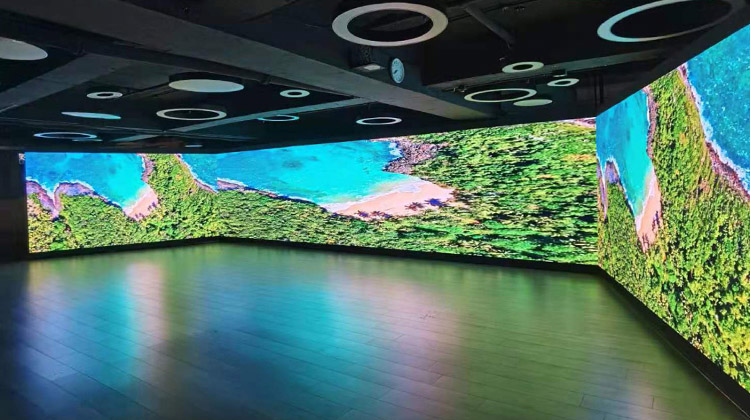
The first step in choosing the right LED display is to define your project’s application. Different applications require different pixel pitches, brightness levels, cabinet designs, and installation methods.
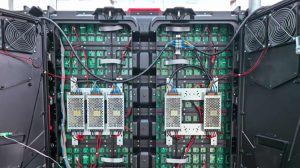
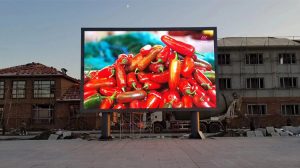
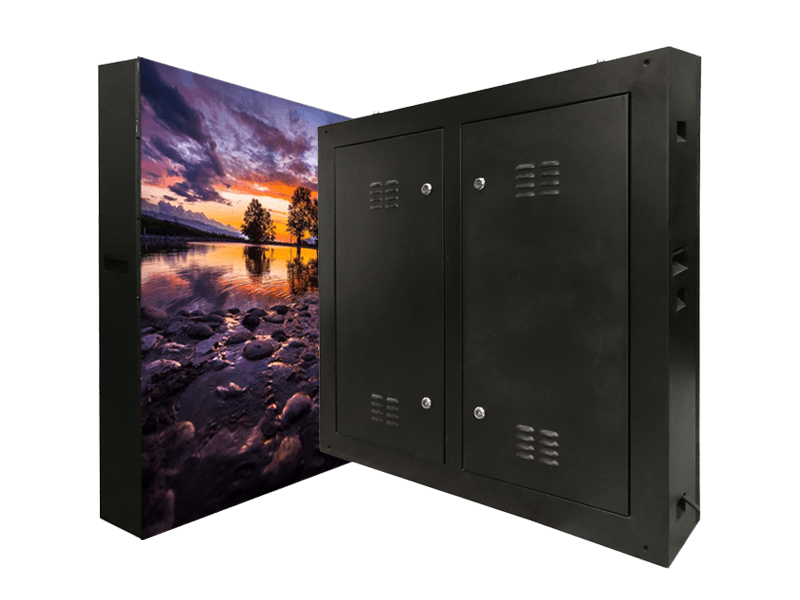
Outdoor advertising requires high brightness (≥5000 cd/m²) and IP65+ protection. Common pixel pitches: P2, P2.5, P3, P4, P5, P8, P10. Rear-maintenance LED displays are often used, but front-maintenance designs are available depending on the installation environment and maintenance space.
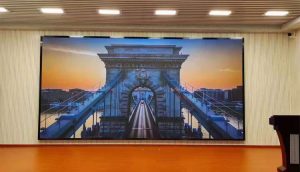
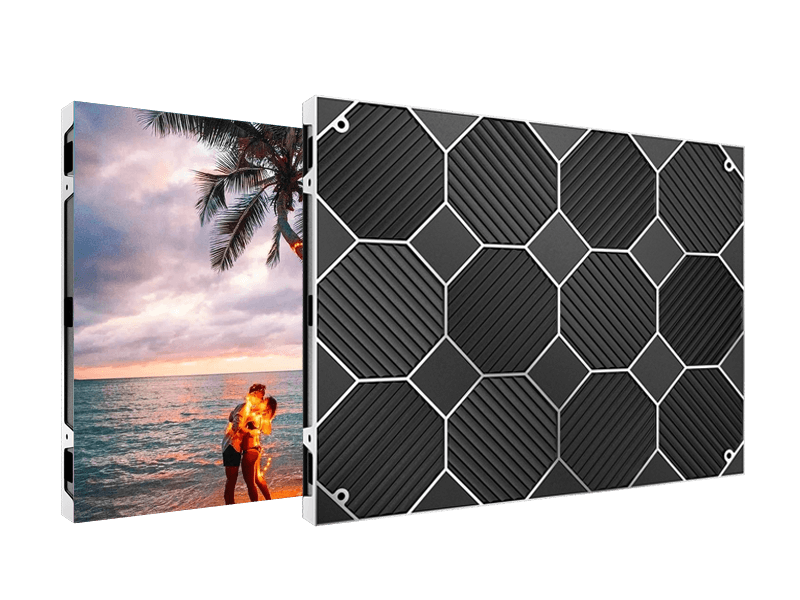
Indoor commercial or conference use focus on image clarity and comfort. Recommended small pixel pitches: P0.9 to P2.5. Front-maintenance magnetic modules are ideal.
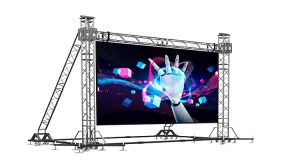
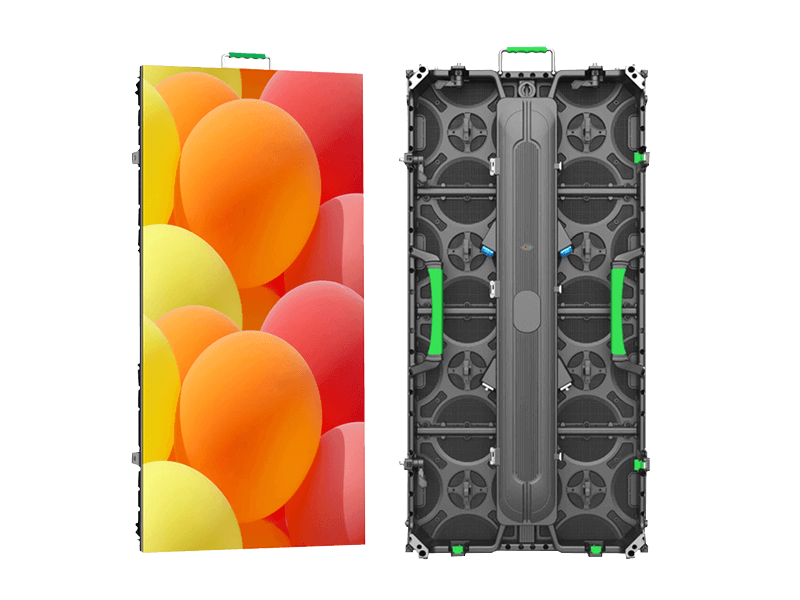
Stage and event rental prioritize modularity and high refresh rate. Popular models: P1.95, P2.6, P2.9, P3.9.
Glass facades and window displays, transparent LED displays are the optimal choice.
Understanding your project’s display purpose is the foundation of selecting the right LED display.
Installation conditions significantly affect LED display selection:
Outdoor LED displays must be waterproof, UV-resistant, lightning-proof, and dustproof.
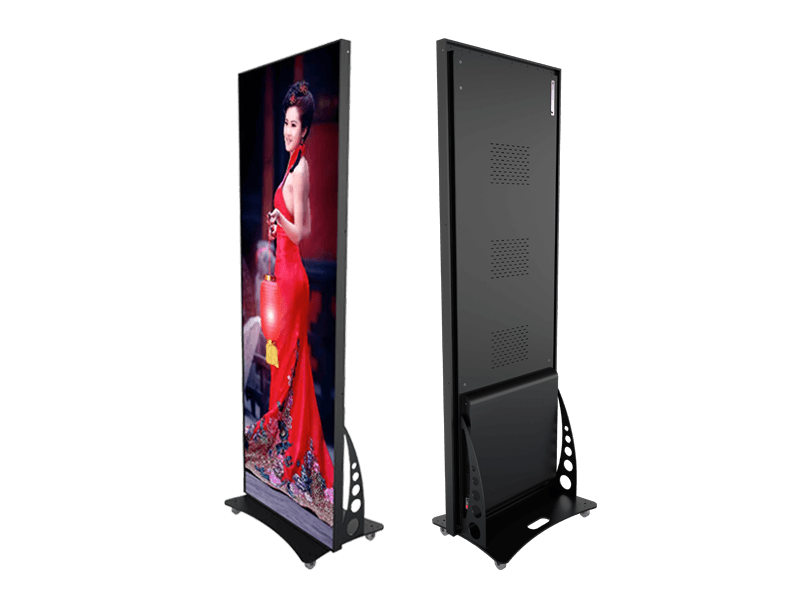
Mounting methods vary: floor-standing, wall-mounted, hanging—all require different support structures.
If the display will be frequently moved, choose a rental-type LED display.
Also evaluate ambient brightness, viewing angles, and expected distance. Shorter viewing distances generally require finer pixel pitches, while high-ambient-light environments require higher screen brightness.
Key performance parameters when choosing the right LED display:
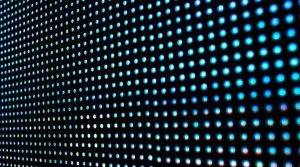
A finer pixel pitch provides higher pixel density and better image detail at close viewing distances. Choose the pixel pitch according to viewing distance, screen size, required resolution, and budget.
Indoor LED displays typically require around 600–1,200 cd/m², while outdoor screens may require 4,500–6,500+ cd/m² depending on sunlight exposure and installation conditions.
A refresh rate ≥3840Hz is essential for filming and visual comfort.
Higher gray scale (≥14-bit) ensures smoother color transitions and better image quality.
IP65+ for outdoor use; IP30–IP40 for indoor.
A high-quality LED display balances all these specifications for optimal performance.
Knowing how to choose an LED display also means choosing the right manufacturer. Beyond technical specifications, evaluate the supplier’s manufacturing capability, quality control, customization experience, technical support, warranty terms, and international project experience.
The right LED display project partner should offer:
– OEM/ODM customization
– Project consultation and layout design
– 3+ years warranty with global service
– Proven track record in international installations
Selecting an experienced LED dipslay manufacturer ensures your project runs smoothly and efficiently.
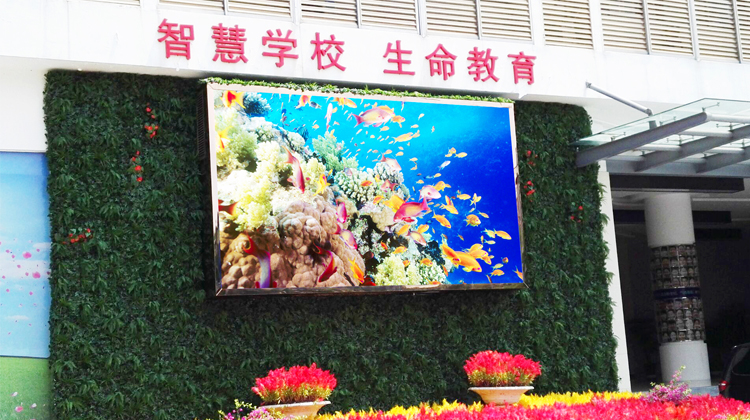
To choose the right LED display for your project, budget planning is critical:
LED modules, control systems, structures, installation
Power usage, repair, replacements
Will the screen generate revenue (advertising, rental, etc.)?
When comparing LED display quotations, consider total project cost rather than screen price alone. Cabinet structure, control system, spare parts, installation, transportation, power consumption, maintenance, and after-sales support can all affect the long-term cost of ownership.
Working with cost-effective LED manufacturers in China can help reduce your investment while maintaining high quality.
Choosing the right LED display requires balancing application, viewing distance, pixel pitch, brightness, installation environment, maintenance method, budget, and supplier support. Start by defining where and how the screen will be used, then select the technical specifications that match the actual project requirements.
If you are still unsure how to choose an LED display for your project, Singheng can recommend a suitable solution based on your screen size, viewing distance, installation environment, application, and budget. Contact us for a customized LED display proposal.